From Panic to Presence: Skill-Based Relief
May 1, 2026
Introduction
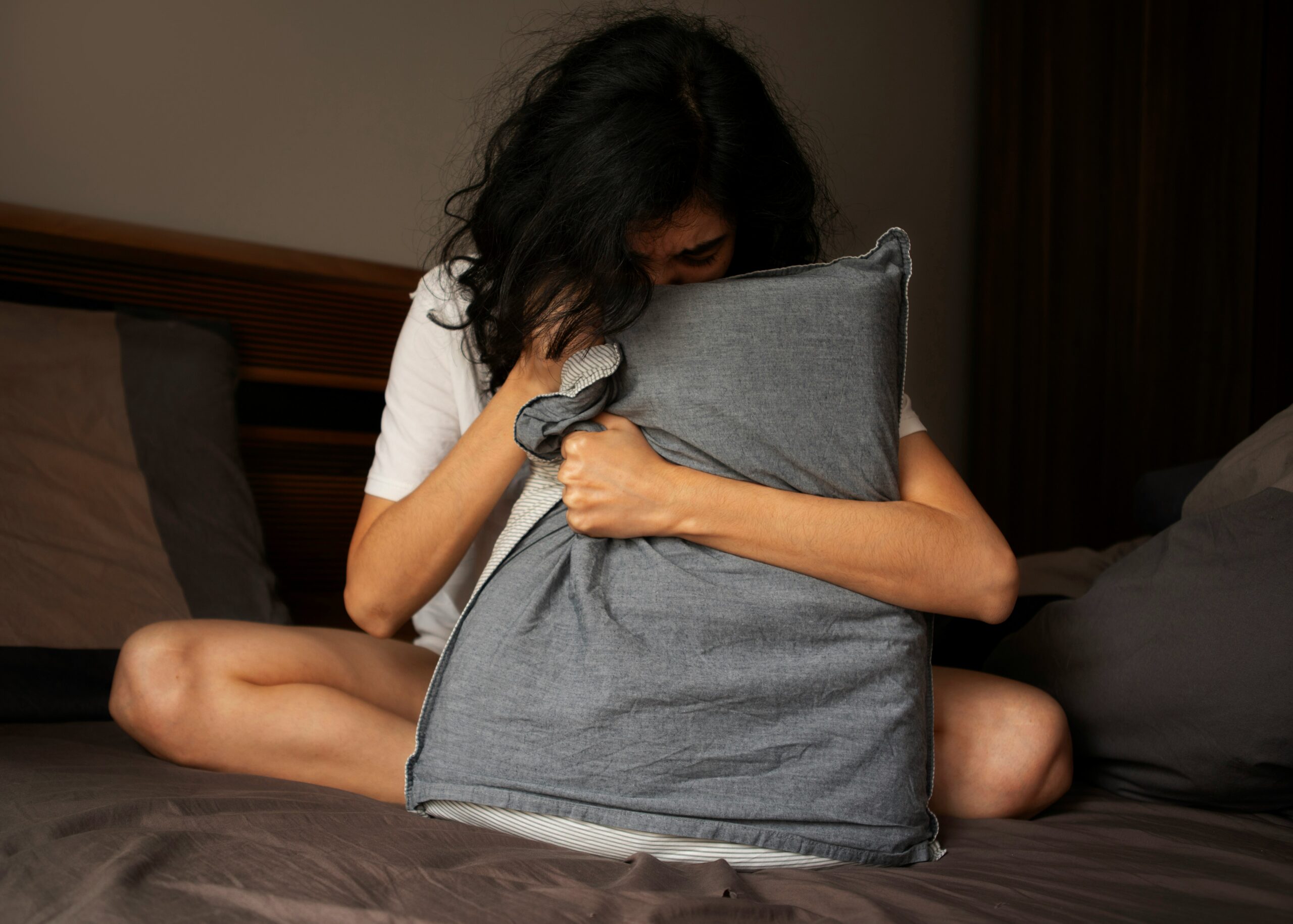
Panic can feel like it comes out of nowhere. One minute you’re moving through your day, and the next your heart is racing, your chest feels tight, and your thoughts are spiraling. But panic is not random. It’s your nervous system going into overdrive, trying to protect you from a perceived threat. The problem is that the threat is often not life-or-death. It might be an overwhelming email, a packed subway car, a difficult conversation, or simply cumulative stress.
When panic hits, insight alone doesn’t help. You can’t “logic” your way out of a fully activated fight-or-flight response. What you need first are body-based, skill-driven tools that calm the nervous system. Once your body settles, your mind can follow.
TIPP
When panic spikes, start with the TIPP skill, an evidence-based distress tolerance strategy designed to regulate intense emotions quickly. TIPP stands for Temperature, Intense Exercise, Paced Breathing, and Progressive Muscle Relaxation.
Temperature: First, changing your body temperature can rapidly slow your heart rate. Splash cold water on your face, hold an ice pack to your cheeks, or step outside into cool air. The cold activates the dive reflex, signaling your body to calm down.
Intense Exercise: Next, panic floods your body with adrenaline. Short bursts of movement—like 30 to 60 seconds of jumping jacks, running in place, or brisk stair climbing—help burn off that excess energy. You’re completing the stress cycle instead of letting it stay trapped.
Paced Breathing: Then, slow your breath deliberately. Make sure you breathe out for two seconds longer than you breathe in. Try inhaling for four counts and exhaling for six. The longer exhale stimulates the parasympathetic nervous system, the body’s calming system. Even two minutes can make a noticeable difference.
Progressive Muscle Relaxation: Systematically tense and release muscle groups from head to toe. Panic often shows up as physical tension. Finally releasing that tension sends feedback to your brain that you are safe.
TIPP works because it addresses physiology first. When your body is calmer, your thoughts naturally become clearer.
Mindfulness
Also, once the intensity lowers, mindfulness helps you stay grounded. Panic pulls you into catastrophic future thinking: What if this gets worse? What if I lose control? What if I embarrass myself? Mindfulness brings you back to now.
Start with one thing at a time. Notice your feet on the ground. Pay attention to the sensation of your breath. Listen to the sounds around you. The goal is not to empty your mind but to anchor it.
Practice present-moment awareness without judgment. Instead of thinking, “I shouldn’t feel this way,” try: “My heart is racing. I am feeling anxious.” Labeling the experience reduces its power. You’re observing it rather than being consumed by it.
Nonjudgment is key. When we criticize ourselves for panicking—“This is ridiculous. I’m overreacting.”—we add shame on top of fear. Mindfulness replaces self-criticism with curiosity. What am I feeling? Where do I notice it in my body? What happens if I let it rise and fall?
Panic peaks and subsides. When you stay present, you witness that wave rather than getting swept away by it. Once you are able to be present, try completing one small task at a time. If you notice your mind drifting away from the task toward the future, the past, or judgments, gently bring it back.
Reducing Vulnerability
Afterword, once you’re more regulated, that’s the time to reflect. Not during the height of panic, but after.
Ask yourself: What made me more vulnerable today? Maybe you slept poorly. Perhaps you skipped meals. Work may have been nonstop and you didn’t take breaks. You may have needed help and didn’t ask for it.
Meanwhile, panic is often the final straw, not the first problem. A stressful day plus exhaustion plus caffeine plus unresolved tension can create the perfect storm. Reducing future episodes means addressing these vulnerability factors. Prioritize sleep. Eat regularly. Play. Limit stimulants if they heighten anxiety. Meanwhile, it’s important to build small recovery breaks into your day. Delegate when possible. Set clearer boundaries.
Conclusion
Finally, panic feels overwhelming, but it is workable. First, regulate your body with TIPP. Then ground your mind with mindful, nonjudgmental awareness. Afterword, once you’re steady, reflect on what contributed to the spike and adjust where you can. If you want more help managing your panic, reach out to a therapist.
If panic attacks, intense anxiety, or chronic stress are interfering with your daily life, therapy can help. At Downtown Behavioral Wellness, our therapists work with clients to develop practical coping skills, understand anxiety patterns, and build confidence in managing difficult emotions. Contact us today to schedule a consultation and learn how we can support you on your path toward greater calm and resilience.
References
FRTC Ltd. (n.d.). Mindfulness in DBT. FRTC Ltd. Retrieved February 24, 2026, from https://frtc.ltd/blog/mindfulness-in-dbt
Palo Alto University. (n.d.). Skill-driven catharsis, DBT, and the TIPP protocol. Business of Practice Blog. Retrieved February 24, 2026, from https://www.paloaltou.edu/resources/business-of-practice-blog/skill-driven-catharsis-dbt-and-the-tipp-protocol
Scientific American. (n.d.). How do we panic? Retrieved February 24, 2026, from https://www.scientificamerican.com/article/why-do-we-panic
GET the NEWSLETTER
Subscribe now and take the first step towards a more fulfilling and balanced life.
Site Credit
Terms and Conditions
Privacy Policy
Join the Conversation
Specialized therapy in DBT, CBT, and Mindfulness, fostering mental health and personal growth for individuals and families.
Nav
You're on the list! keep and eye on your inbox!
